Dilation and Curettage (D and C) Evacuation
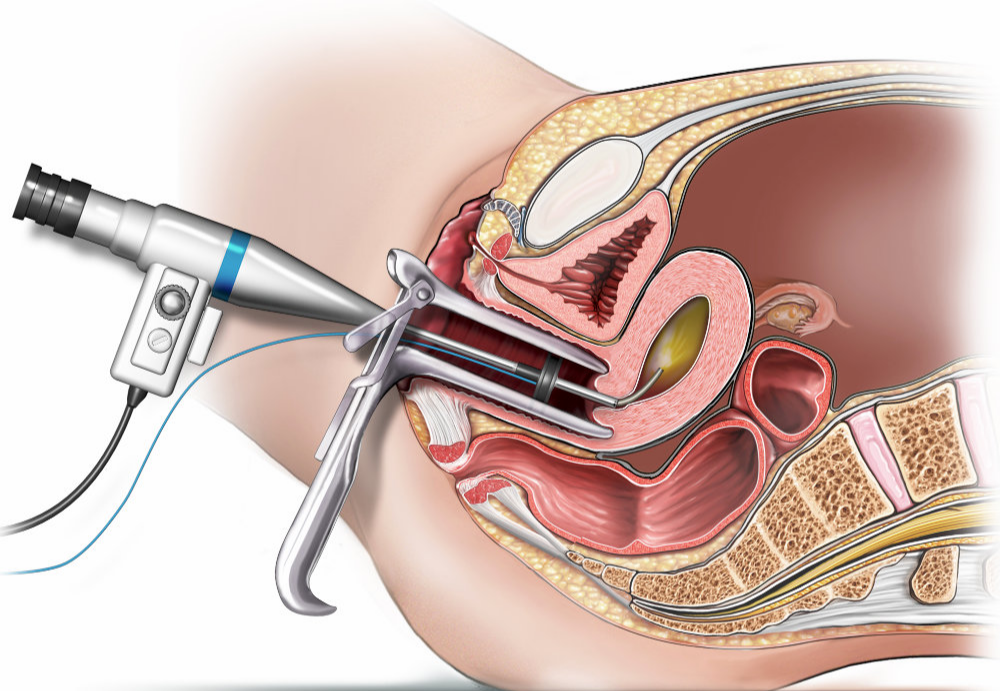
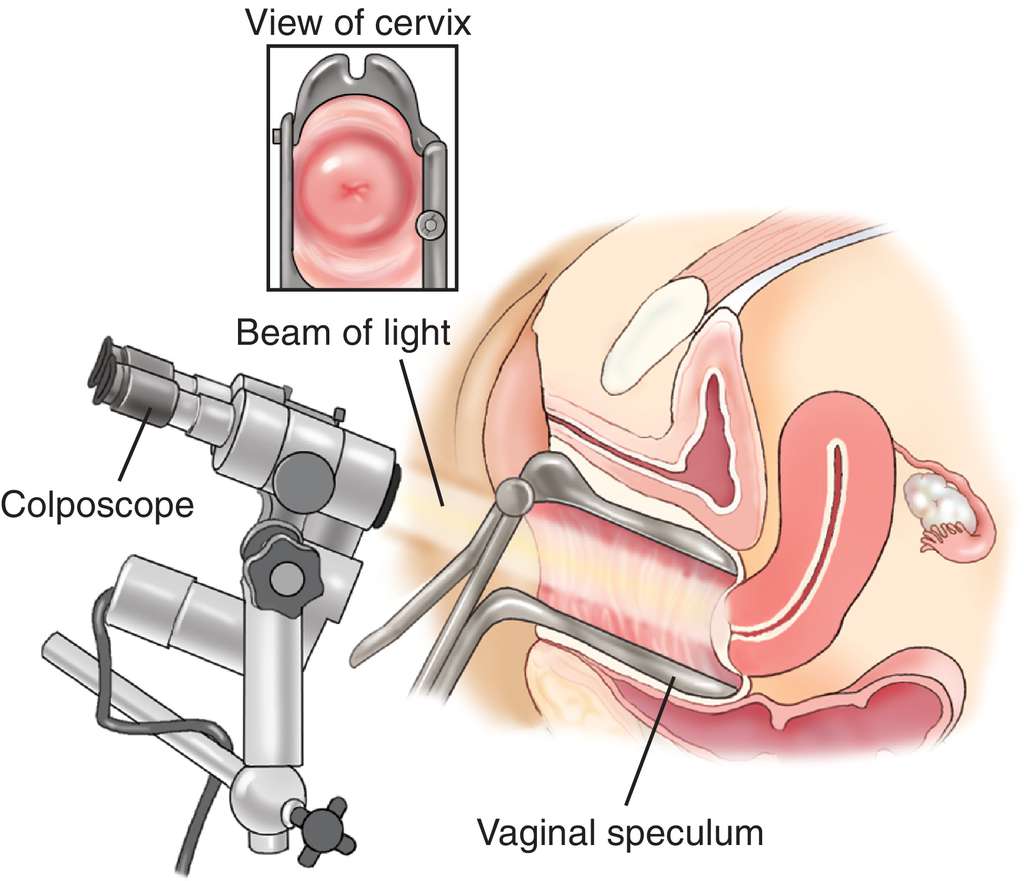
A dilation and curettage procedure, also called a D&C, is a surgical procedure in which the cervix (lower, narrow part of the uterus) is dilated (expanded) so that the uterine lining (endometrium) can be scraped with a curette (spoon-shaped instrument) to remove abnormal tissues. A suction D&C uses suction to remove uterine contents. This is sometimes called a dilation and evacuation (D&E).
Reasons for the procedure
A D&C may be used as a diagnostic or therapeutic procedure for abnormal bleeding. A D&C may be performed to determine the cause of abnormal or excessive uterine bleeding, to detect cancer, or as part of infertility (inability to become pregnant) investigation.
Causes of abnormal bleeding include the presence of abnormal tissues, such as fibroid tumors (benign tumors that develop in the uterus, also called myomas) polyps, or cancer of the endometrium or uterus. Tissues obtained from the D&C can be examined under a microscope. Abnormal uterine bleeding may also be due a hormone imbalance or disorder (particularly estrogen and progesterone) especially in women approaching menopause or after menopause.
A D&C may be used following a miscarriage to remove the fetus and other tissues if they have not all been naturally passed. Infection or heavy bleeding can occur if these tissues are not completely removed. This type of D&C may also be called a surgical evacuation of the uterus or a D&E.
Occasionally following childbirth, small pieces of the placenta (afterbirth) remain adhered to the endometrium and are not passed. This can cause bleeding or infection. A D&C may be used to remove these fragments so that the endometrium can heal properly.